Asahikawa旭川 · Hokkaido river townBack to Asahikawa日本語

Asahikawa specialties · 旭川の名物

Eat & drink食べる・飲む

Asahikawa’s food starts with its water. Snowmelt from the Daisetsuzan range feeds both the rice paddies and the sake breweries, and the city grows more rice than anywhere else in Hokkaido. Add soy-sauce ramen under a layer of lard that keeps it from cooling quickly, salted pork offal over charcoal, and a sake town nicknamed “Hokkai no Nada”. Hours and prices change. Check before you go.⁠[18][19][2][1][8][24]

15 specialties in 7 groups

Itadakimasu! I always start with a bowl of shoyu ramen.いただきます!

Noodles 麺

3 on the menu

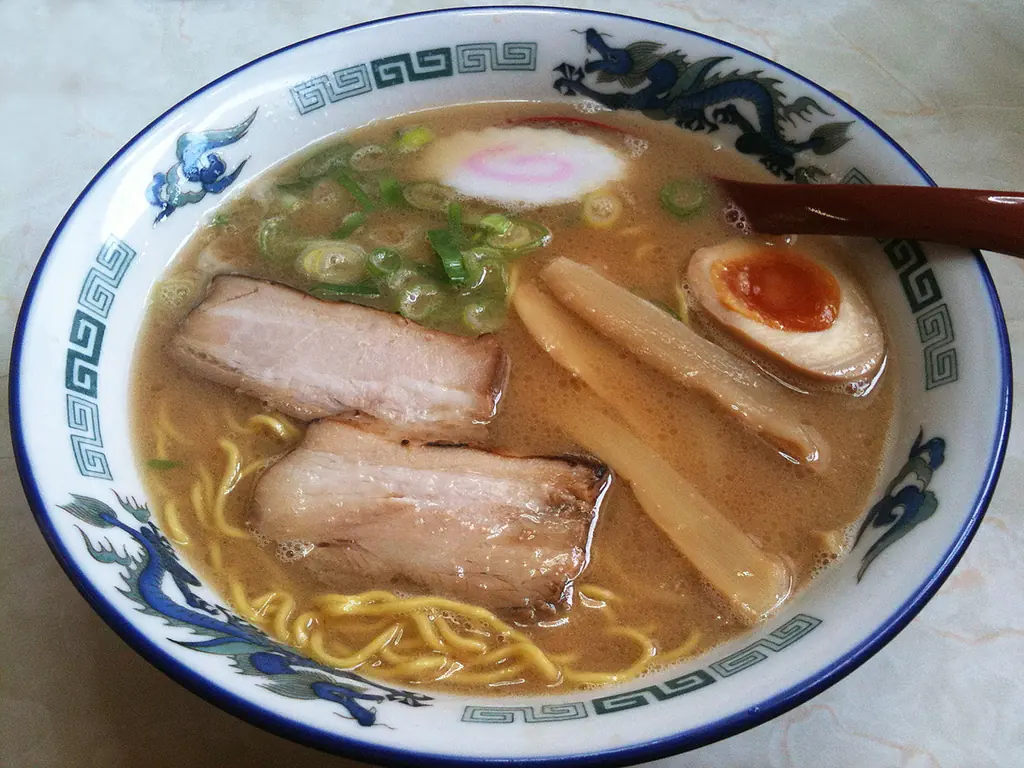
Shoyu ramen with sliced pork, bamboo shoots, egg and green onion, Asahikawa

Photo: Kazuyoshi Yura · CC BY-SA 3.0 · 2011 · Wikimedia Commons

Noodles

Asahikawa shoyu ramen旭川醤油ラーメン

The city’s signature bowl: soy-sauce ramen on a “double soup”, with a layer of lard that keeps it hot longer.⁠[8][24]

The soup combines pork-and-chicken stock with stock from dried sardines and kelp. A layer of lard on top keeps it from cooling quickly, and it comes with medium-thin wavy noodles. The city calls soy sauce the standard flavor.⁠[8][24]

Asahikawa ramen is part of the Hokkaido Heritage listing “Hokkaido ramen”.⁠[9][4]

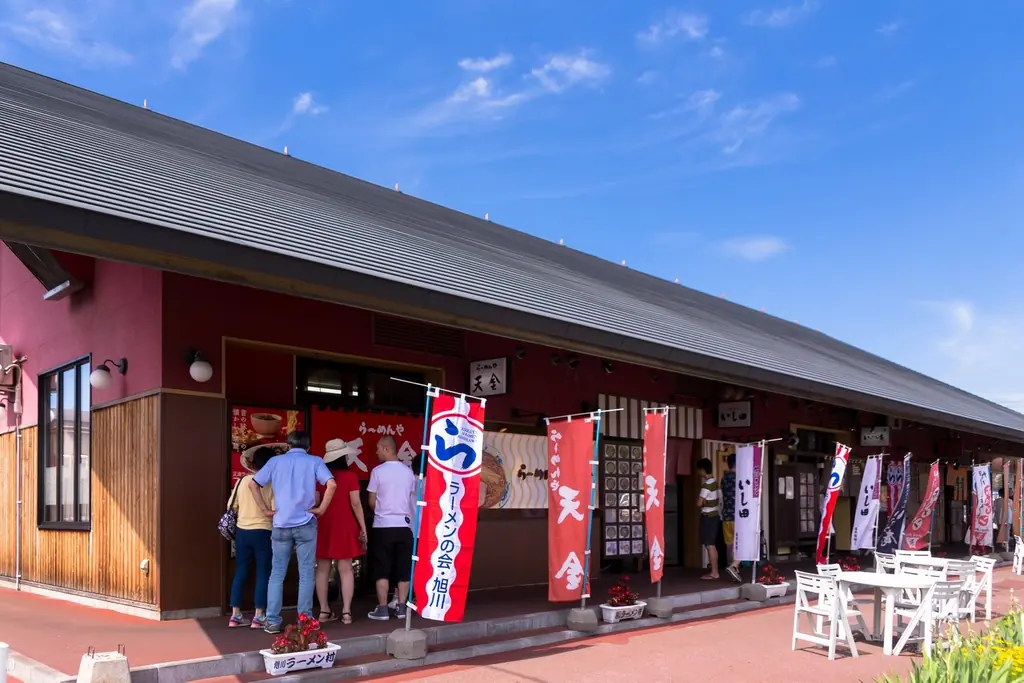
At Ramen Village in Nagayama, eight counters have shared one roof since August 1996, with 220 seats in all. They include Aoba (founded 1947), Baikohken, Tenkin and Santōka, plus a guest slot that rotates between well-known shops from around Japan.⁠[25][26]

Read the story: Asahikawa ramen

Where to try it

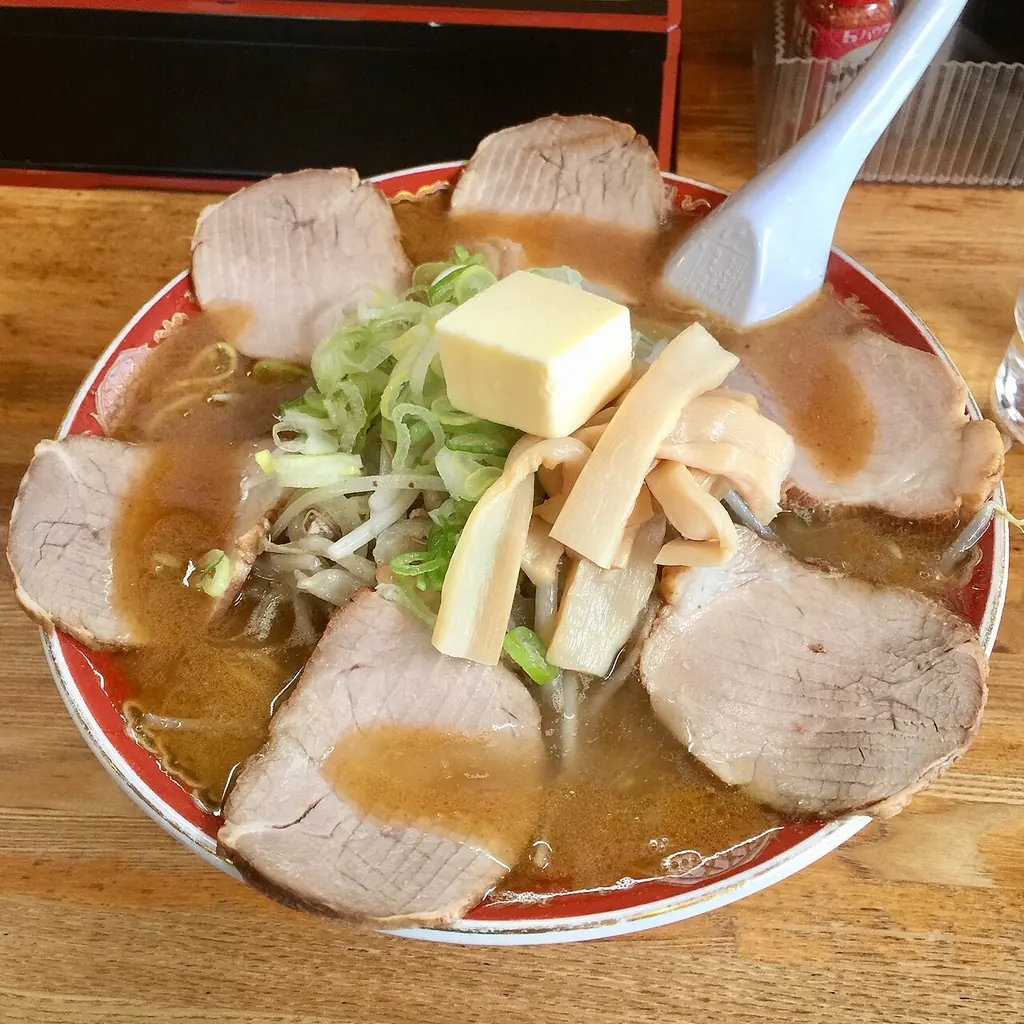
Miso ramen topped with sliced pork, butter and bamboo shoots, Asahikawa

Photo: Famicon · CC BY-SA 4.0 · 2017 · Wikimedia Commons

Noodles

Miso ramenみそラーメン

Rich blended-miso ramen with bean sprouts on top.⁠[8]

Soy sauce is the city’s standard flavor, but there is miso too: a rich bowl of blended miso topped with bean sprouts.⁠[24][8]

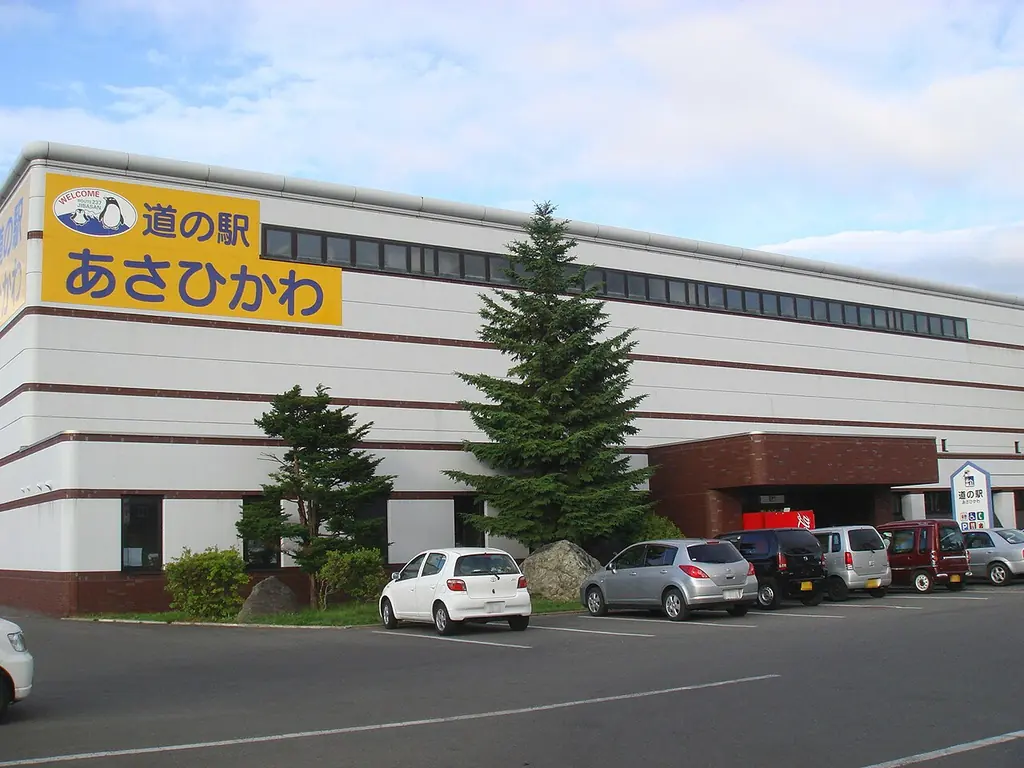
At Yoshino in the Michi-no-Eki Asahikawa food court you can have miso ramen or miso-butter ramen.⁠[8][79]

Where to try it

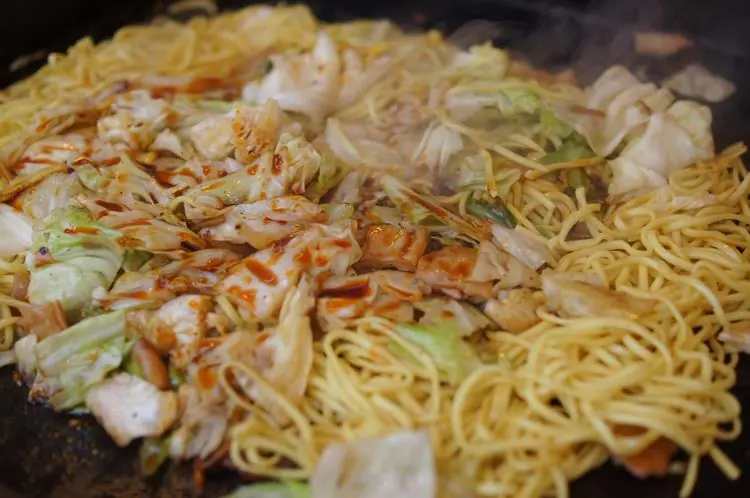
Asahikawa shoyu yakisoba with cabbage on a hot plate at the Tabe Marche food festival

Photo: Asahikawa City

Noodles

Shoyu yakisoba & shoyu horumen旭川しょうゆ焼きそば・しょうゆホルメン

Two local B-grade dishes made with soy sauce.⁠[24]

Asahikawa shoyu yakisoba is fried noodles made with Asahikawa rice flour and a local soy-sauce sauce.⁠[24]

Shoyu horumen is soy-sauce ramen topped with stewed offal.⁠[24]

Where to try it

Our sources name no single place for this one. The visitor center at JR Asahikawa Station can point you to one. Visitor centers

From the grill 焼きもの

2 on the menu

From the grill

Shio-horumon & tontoro塩ホルモン・トントロ

Salted pork offal grilled over charcoal, said to have started in Asahikawa.⁠[24]

The story goes that it began here when pig farming was big and fresh offal was easy to get.⁠[24]

Local barbecue shops are also credited with making tontoro, grilled pork cheek, popular.⁠[24]

Read the story: Asahikawa ramen

Where to try it

Our sources name no single place for this one. The visitor center at JR Asahikawa Station can point you to one. Visitor centers

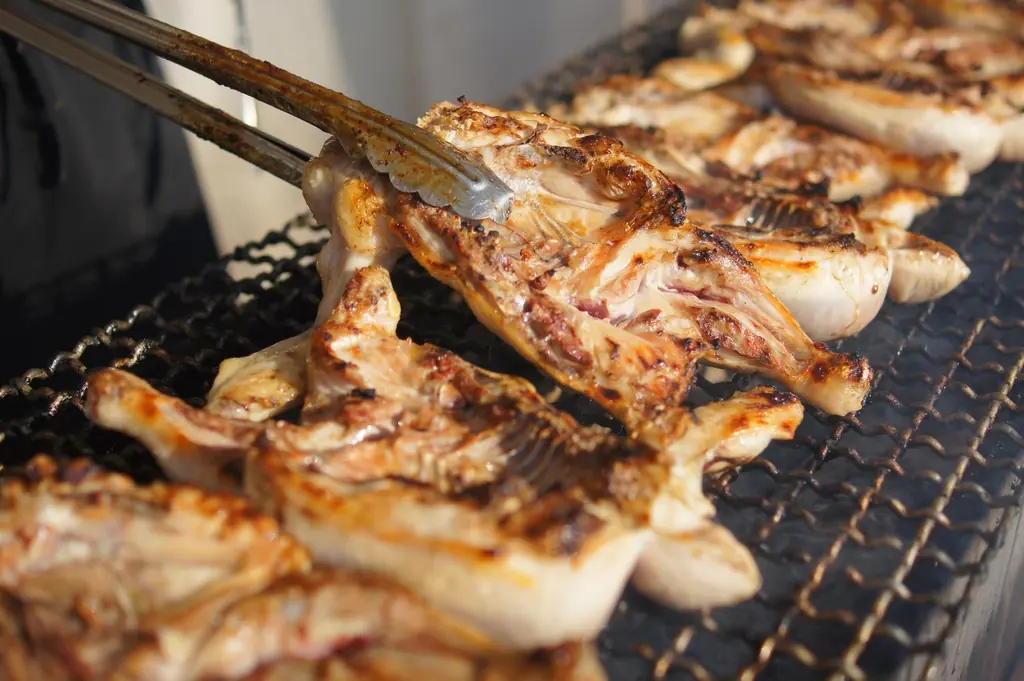
Halves of young chicken on a grill at the Tabe Marche food festival

Photo: Asahikawa City

From the grill

Shinko-yaki新子焼き

Half a young chicken, grilled plain until crisp.⁠[24]

Shinko-yaki appeared after the war and is still a local favorite. Several shops serve it in the Gonana Kōji Furarito market alley.⁠[24]

Read the story: Asahikawa ramen

Where to try it

  • Gonana Kōji FuraritoA market alley with several shinko-yaki shops.⁠[24]

Snacks 軽食

1 on the menu

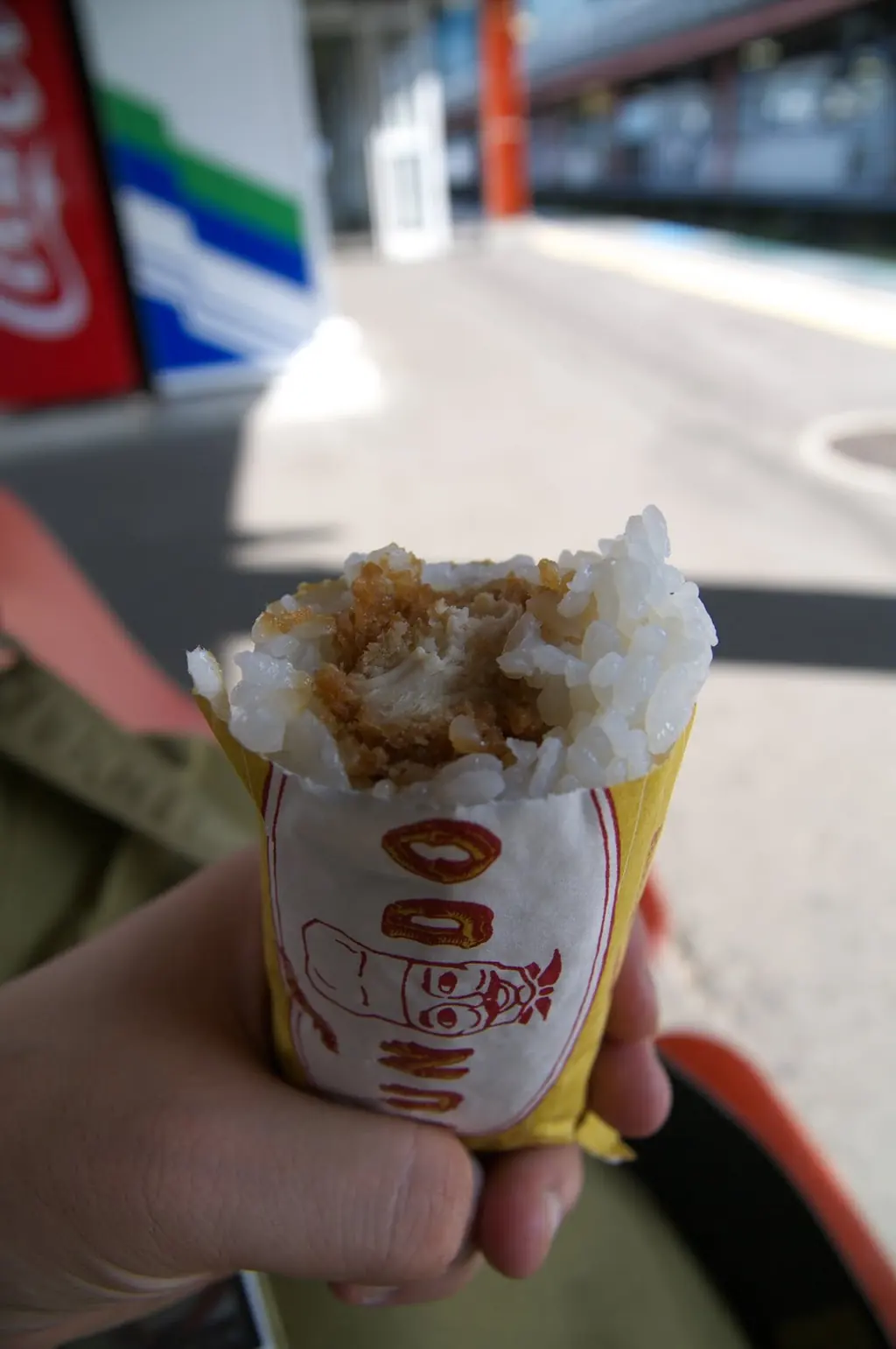
A Jundog in its paper wrapper, held in a hand

Photo: hequilizm · CC BY 3.0 · 2010 · Wikimedia Commons

Snacks

Jundog & motsu sobaジュンドッグ・もつそば

A rice-ball hot dog and buckwheat noodles with offal: two local specialties.⁠[4]

A Jundog is a cross between a rice ball and a hot dog. Motsu soba is buckwheat noodles with offal.⁠[4]

Read the story: Asahikawa ramen

Where to try it

Our sources name no single place for this one. The visitor center at JR Asahikawa Station can point you to one. Visitor centers

Sake 日本酒

3 on the menu

Kanpai! Mine is spring water.かんぱい!

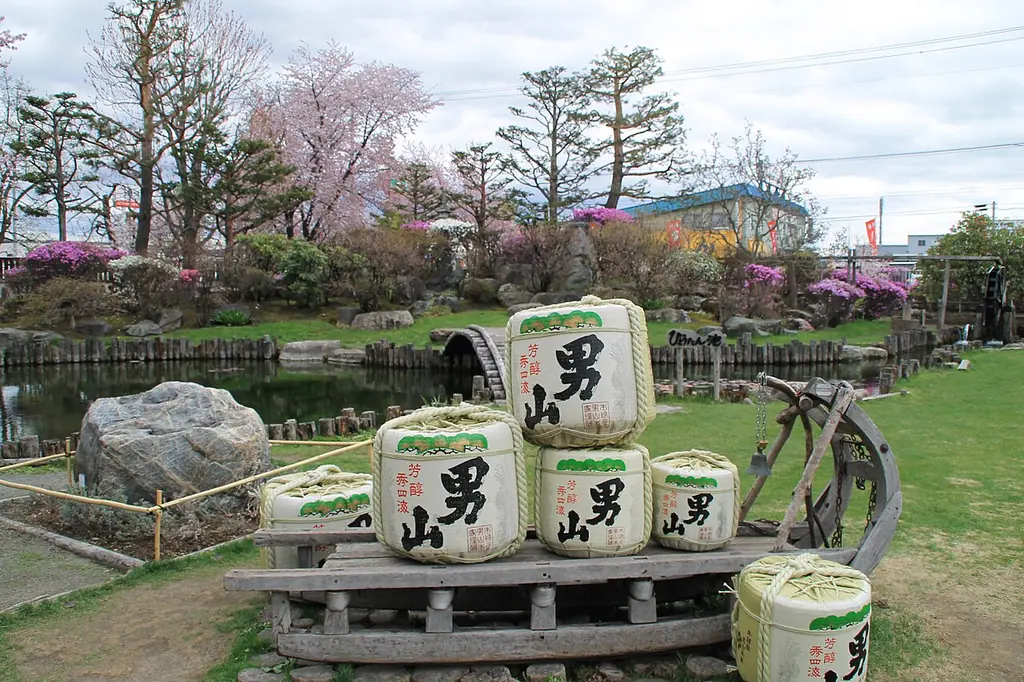
Straw-wrapped barrels of Otokoyama sake set out in a garden

Photo: pakku · CC BY 3.0 · 2016 · Wikimedia Commons

Sake

Otokoyama男山

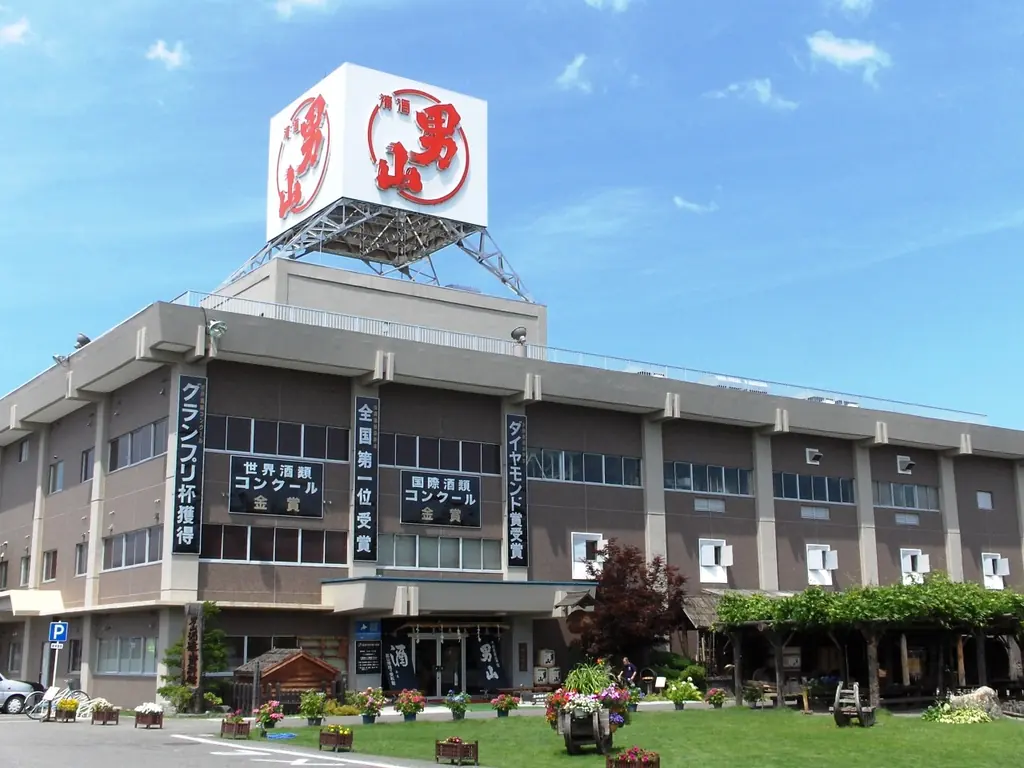
A sake brewery that began in 1887 and now exports to more than 20 countries.⁠[19]

It began as Yamazaki Shuzo and in 1968 took over the historic Otokoyama brand from the Itami brewers in western Japan who had made it in the Edo period. In 1977 its junmai daiginjō won a Mondo Selection gold medal, the first for a Japanese sake.⁠[19]

The free sake museum in Nagayama gets about 200,000 visitors a year. Its spring water, known as “Water of Long Life”, is free to take, up to 20 L per person.⁠[27]

On the second Sunday of February the brewery opens its doors, with new sake to taste.⁠[19][27]

Read the story: Hokkai no Nada

Where to taste or buy it

  • Otokoyama Sake Brewing MuseumNagayama. 9:00–17:00, closed 31 December–3 January. Free.⁠[27]
  • OTOKOYAMA SAKE PARKThe new shop next to the museum, where the tasting and shop corner has moved.⁠[27]

Sake

Kokushi Musō & Asahi Kamui国士無双・旭神威

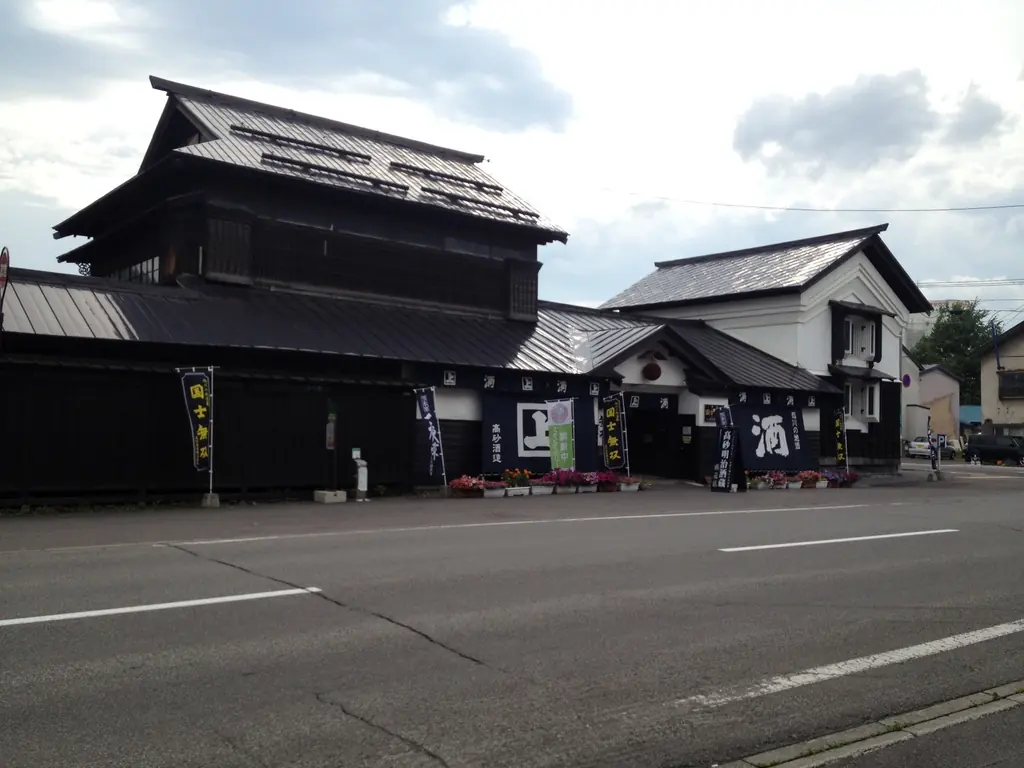
Takasago Shuzo, founded in 1899, makes the dry Kokushi Musō and the premium Asahi Kamui.⁠[28]

Kokushi Musō came out in 1975 and Asahi Kamui in 2017. Since 2024 the Asahi Kamui label has carried Ainu patterns drawn by Kawamura Hisae, deputy director of the Kawamura Kaneto Ainu Memorial Museum.⁠[28]

Takasago also makes sake-based plum liqueurs, including one steeped with Rishiri kelp.⁠[28]

Its 1909 Meiji Sakagura building is now the shop, with free tastings.⁠[29]

Read the story: Hokkai no Nada

Where to taste or buy it

  • Takasago Meiji SakaguraShop with free tastings, 9:00–17:00. Free tours of the 1929 brewery at 10:00 and 15:00, up to 10 people, booking required. No tours at New Year, Golden Week, Obon or during September maintenance.⁠[29]

Sake

Taisetsu no Kura大雪乃蔵

Godo Shusei’s brewery label, one of the city’s three sake breweries.⁠[2]

Asahikawa’s nickname, “Hokkai no Nada”, compares it to Nada, Japan’s most famous brewing district. Three brewers still work here: Otokoyama, Takasago Shuzo and Godo Shusei’s Taisetsu no Kura.⁠[2]

Read the story: Hokkai no Nada

Where to taste or buy it

Our sources name no single place for this one. The visitor center at JR Asahikawa Station can point you to one. Visitor centers

Beer ビール

1 on the menu

Beer

Taisetsu Ji Beer大雪地ビール

Asahikawa’s craft beer, brewed with Daisetsuzan water.⁠[2][8]

It is brewed with Daisetsuzan water and malt made from wheat grown on nearby farms.⁠[8]

The beer hall is in Warehouse No. 11 of the Kamikawa Sōko warehouses, which are registered Tangible Cultural Properties.⁠[4][1]

Where to taste or buy it

  • Beer hall, Kamikawa Sōko Warehouse No. 11Hours are not in our sources; check before you go.⁠[4][1]
  • Michi-no-Eki Asahikawa: shopTaisetsu Ji Beer is one of the shop’s highlights. Shop open 9:00–19:00 (April–October) and 9:00–18:00 (November–March); closed 30 December–4 January.⁠[8][76]

Food to take home 食のおみやげ

2 on the menu

Food to take home

Rice & vegetables米・野菜

Asahikawa grows more rice than anywhere else in Hokkaido.⁠[2][1]

The city is first in Hokkaido for both rice area planted and rice harvested. The 2025 crop was 38,200 metric tons.⁠[2][1]

Snowmelt from the Daisetsuzan range soaks into the ground and comes back up as springs, which feed both the paddies and the sake breweries.⁠[18][19]

The city’s furusato-nozei (hometown tax) gifts include farm-direct rice, asparagus, onions, and Kitaakari and Danshaku potatoes.⁠[67]

Where to buy it

  • Michi-no-Eki Asahikawa: shopMore than 1,000 local products, among them rice and processed farm products. Shop open 9:00–19:00 (April–October) and 9:00–18:00 (November–March); closed 30 December–4 January.⁠[77][8][76]

Food to take home

Sweets & jingisukan旭川銘菓・ジンギスカン

Local sweets and marinated lamb, two food gifts to take home.⁠[8][67]

The Michi-no-Eki Asahikawa shop stocks local confectionery (Asahikawa meika). In 2025 the city hosted the 28th National Confectionery Exposition, which drew 261,336 visits over 17 days.⁠[8][65]

Popular furusato-nozei (hometown tax) gifts include Hinode jingisukan (marinated lamb), ikura, lamb chops and roast beef.⁠[67]

Where to buy it

  • Michi-no-Eki Asahikawa: shopMore than 1,000 products made in Asahikawa or northern Hokkaido, or from local ingredients, including local sweets and packaged ramen. Shop open 9:00–19:00 (April–October) and 9:00–18:00 (November–March); closed 30 December–4 January.⁠[77][8][76]

Crafts to take home 工芸品

3 on the menu

Crafts to take home

Carved wooden bears木彫り熊

Hokkaido’s classic souvenir began in Asahikawa, among the Chikabumi Ainu.⁠[16]

In 1891, as Meiji settlement began, the Ainu living around Asahikawa were moved to Chikabumi. Ten years later the army’s 7th Division moved in next door. The Chikabumi Ainu fought another attempt to move them, protesting to the Hokkaido government and in Tokyo, and were allowed to stay, but were left with free use of only one-fifth of the land set aside for them, on flood-prone ground by the Ishikari.⁠[16]

People turned to selling souvenirs to soldiers and their families, and the carved wooden bear was born there.⁠[16]

Carved bears became Hokkaido’s classic souvenir in the tourist booms of the late 1950s to early 1970s. In the postwar booms, the Chikabumi kotan (Ainu village) was the center of Asahikawa tourism.⁠[16]

Read the story: Ainu heritage

Where to see or buy it

Our sources name no single place for this one. The visitor center at JR Asahikawa Station can point you to one. Visitor centers

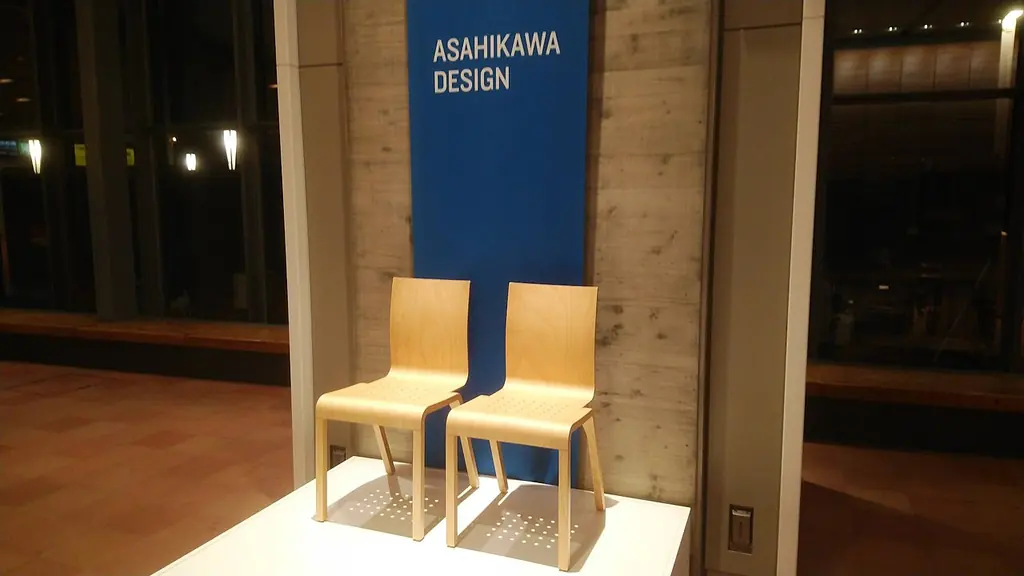
Two wooden chairs of Asahikawa furniture on display at JR Asahikawa Station

Photo: Nissy-KITAQ · CC BY-SA 4.0 · 2022 · Wikimedia Commons

Crafts to take home

Asahikawa furniture旭川家具

One of Japan’s five major furniture-making districts, with more than 120 years of history.⁠[2]

More than 80% of Asahikawa furniture is now made from Hokkaido-grown hardwoods. Makers pass their skills on to apprentices, who regularly win medals at Japan’s national Skills Olympics.⁠[11]

The district takes in the city and the neighboring towns of Higashikawa, Higashikagura and Toma. Asahikawa furniture is a Hokkaido Heritage item, the IFDA design competition has been held every three years since 1990, and UNESCO named Asahikawa a Creative City of Design in 2019.⁠[11][9][1]

In late June, Asahikawa Design Week brings a week of furniture and design.⁠[31]

Read the story: Furniture & design

Where to see or buy it

  • Asahikawa Design CenterNagayama 2-jō 10-chōme. About 1,200 pieces of furniture and craft for sale, plus a museum, gallery and workshop added in April 2023. 10:00–17:00, closed Tuesdays.⁠[30]

Crafts to take home

Yukara-ori優佳良織

A woven textile named one of Japan’s “50 hometown industries”.⁠[4][1]

Its museum opened in 1980 but has been closed for a long time.⁠[4][1]

Where to see or buy it

Our sources name no single place for this one. The visitor center at JR Asahikawa Station can point you to one. Visitor centers

Show this screen to the staff

これをください。This one, please.